South Florida's Iguana Invasion: Control Efforts Continue as Population Persists
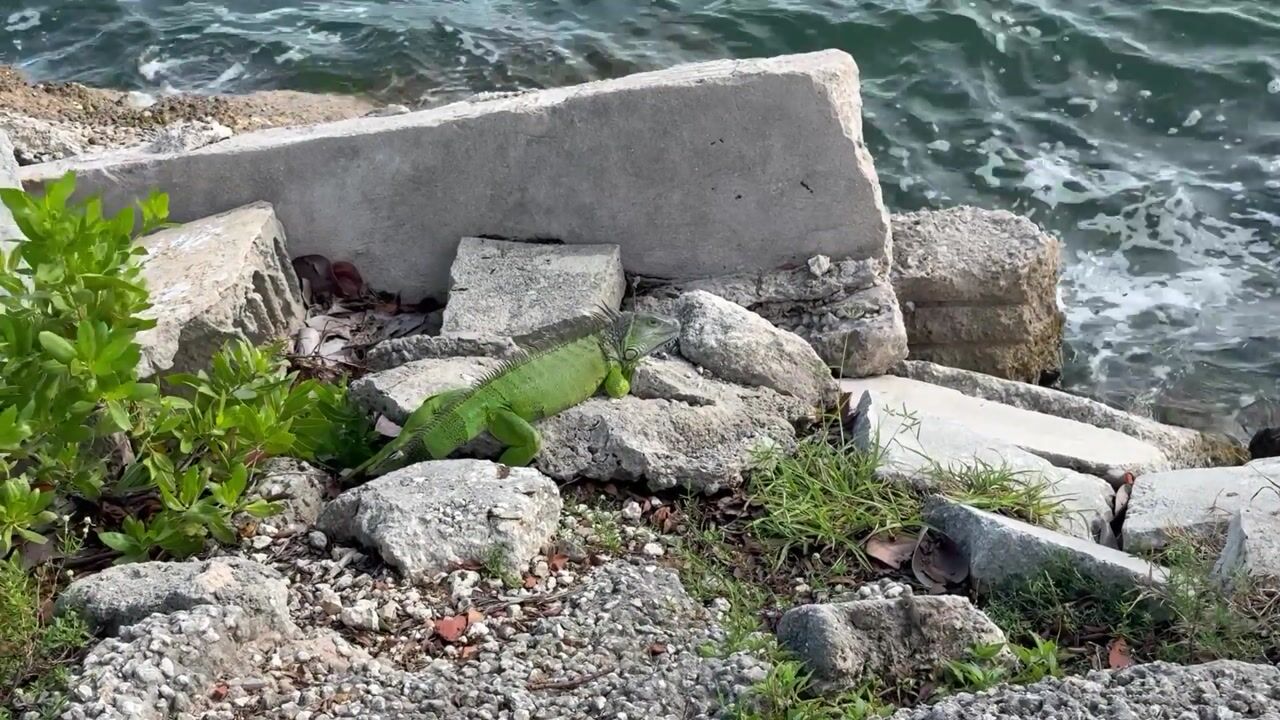
Green iguanas have become an unmistakable part of the South Florida landscape, sunning themselves on seawalls, sidewalks, and pool decks from Miami-Dade to Palm Beach County. Originally introduced through the pet trade decades ago, the invasive reptiles have thrived in the region's warm, wet climate, and local wildlife officials say the population shows little sign of slowing down.
The Florida Fish and Wildlife Conservation Commission (FWC) classifies green iguanas as an invasive, non-native species and encourages homeowners to remove them from private property whenever possible. Because iguanas have no natural predators in Florida and reproduce quickly — a single female can lay dozens of eggs a year — wildlife managers say eradication is unrealistic. Instead, the focus has shifted to management.
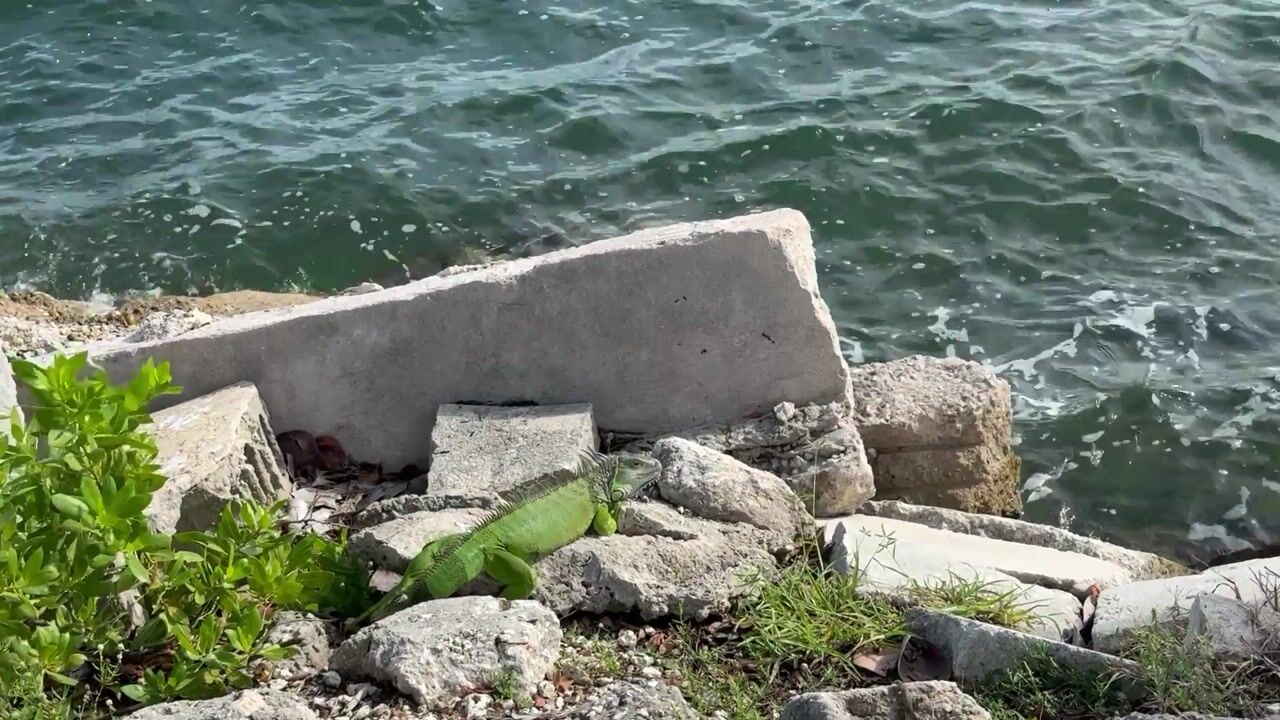
Residents across South Florida have reported iguanas burrowing under sidewalks and seawalls, weakening infrastructure, and feeding on landscaping and native plants. Some communities have hired licensed trappers to reduce local populations, while others rely on cold snaps, which can stun or kill iguanas when temperatures drop into the 40s.
State guidelines allow homeowners to humanely dispatch iguanas on their own property without a permit, and the FWC has partnered with contractors to remove the animals from public lands, including parks and canals. Even so, experts caution that as long as the climate remains favorable, new iguanas will continue to move in from neighboring areas.
Local officials say public education remains a key part of the strategy, urging residents not to release pet iguanas into the wild and to report large colonies to county animal services. For now, the iguanas remain a familiar — if unwelcome — sight throughout South Florida's neighborhoods.